
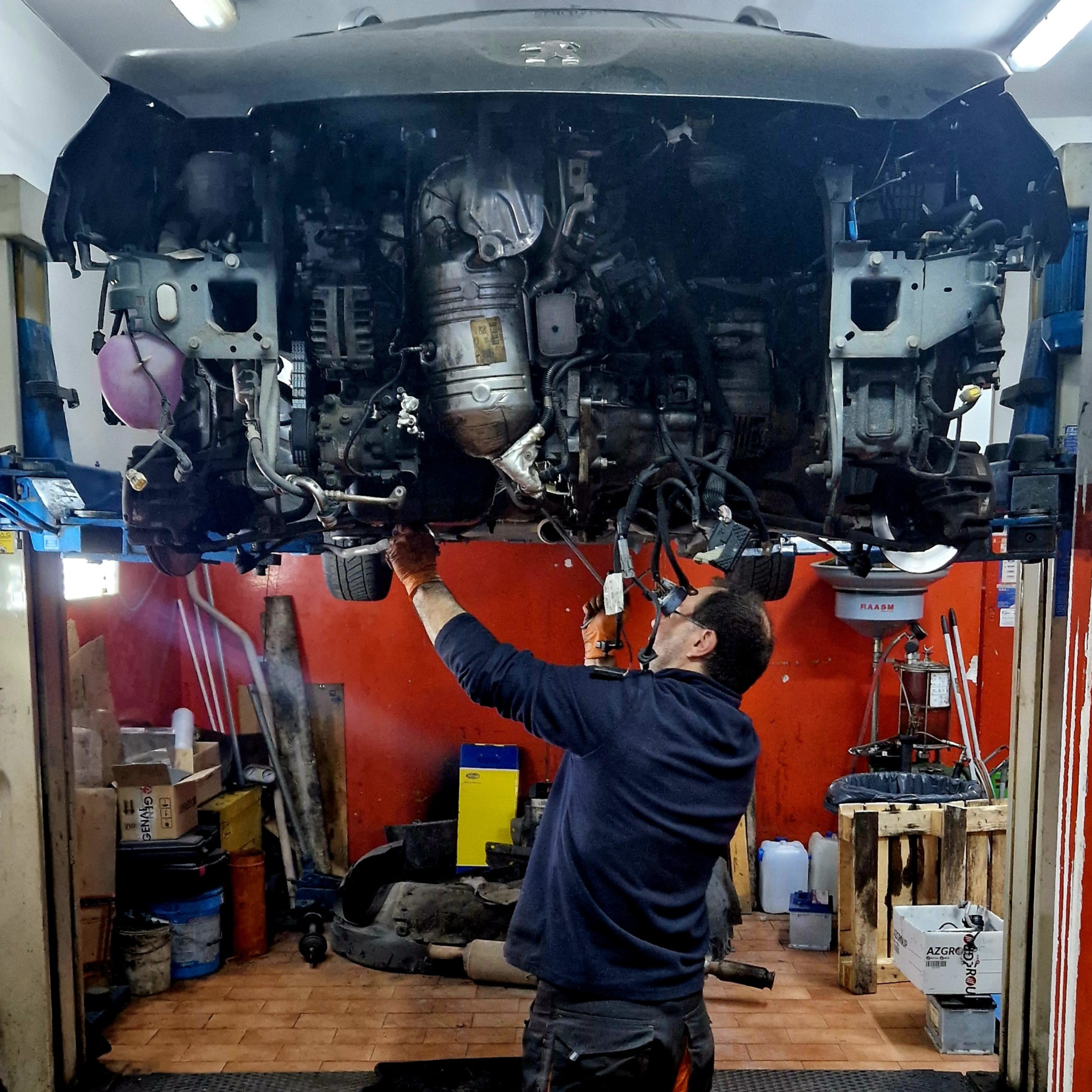
Mechanical work on premium vehicles requires more than replacing parts. Each system operates as part of a larger, engineered whole where engine performance, drivetrain response, and suspension behavior are closely interconnected.
Mechanical work on premium vehicles requires more than replacing parts. Each system operates as part of a larger, engineered whole where engine performance, drivetrain response, and suspension behavior are closely interconnected.
Before repairs are carried out, the vehicle is evaluated to understand how it drives, responds, and performs under load. This initial assessment establishes the correct direction rather than relying on assumptions.
Mechanical repairs carried out with proper inspection
Every repair begins with inspection, measurement, and analysis to determine the actual cause of an issue rather than addressing symptoms alone.
Components are examined for wear, stress, and deviation from expected performance. This ensures the repair resolves the underlying problem and not a secondary effect.
Components are examined for wear, stress, and deviation from expected performance. This ensures the repair resolves the underlying problem and not a secondary effect.
Engine and drivetrain work is performed following manufacturer-aligned procedures and technical guidelines. Components are repaired or replaced only when necessary to preserve originality and system integrity.
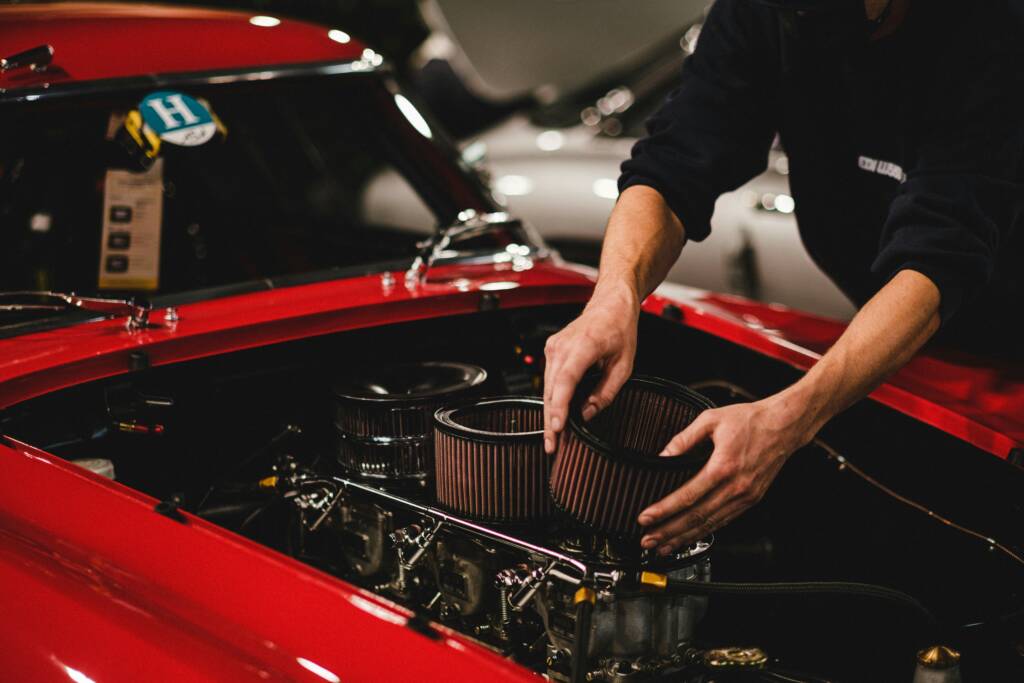
Precision and restraint are essential when working on high-value vehicles. Unnecessary intervention can affect performance, durability, and long-term reliability.
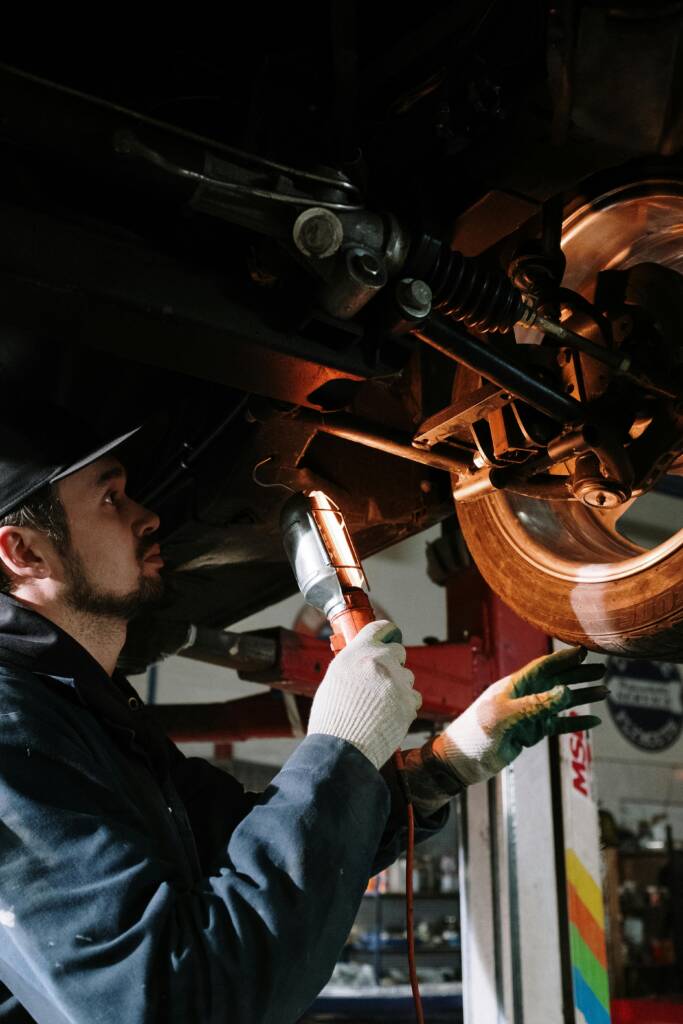
Suspension and steering systems are assessed for alignment, response, and stability. Inspection and testing identify worn components to ensure correct handling characteristics after repair.
The objective is controlled performance — not temporary correction or short-term fixes.
Mechanical work guided by data and experience
Repair decisions are based on inspection results, performance data, and hands-on evaluation rather than assumption or trial-and-error.
After mechanical work is completed, systems are rechecked to confirm correct installation and operation. Torque values, connections, and system behavior are verified carefully.
The vehicle is then tested under normal driving conditions to ensure smooth operation and proper system response. This confirms the repair integrates correctly with the vehicle as a whole.
Only when performance, reliability, and system behavior meet expected standards is the vehicle approved for delivery. Mechanical work is complete only when the vehicle operates as intended — without compromise.