

Modern luxury and performance vehicles rely on advanced electronic systems to manage engine performance, safety features, transmission behavior, and driver assistance functions. Computer diagnostics are essential for understanding how these systems operate and communicate.
Because these systems are interconnected, accurate diagnostics are required to identify issues without disrupting the vehicle’s electronic balance.
Before any repair work is considered, diagnostic evaluation is carried out to gain a clear understanding of the vehicle’s electronic condition rather than relying on symptoms alone.
Computer-based diagnostics to identify faults accurately
Diagnostic scanning provides access to vehicle control units and retrieves fault data generated by onboard monitoring systems.
Fault codes are reviewed carefully and interpreted in context. They are used as guidance rather than conclusions, ensuring the underlying cause is identified correctly.
This approach ensures diagnostics focus on the source of an issue — not just the warning or alert displayed.
Live data from sensors and control modules is analyzed to observe system behavior under different operating conditions.
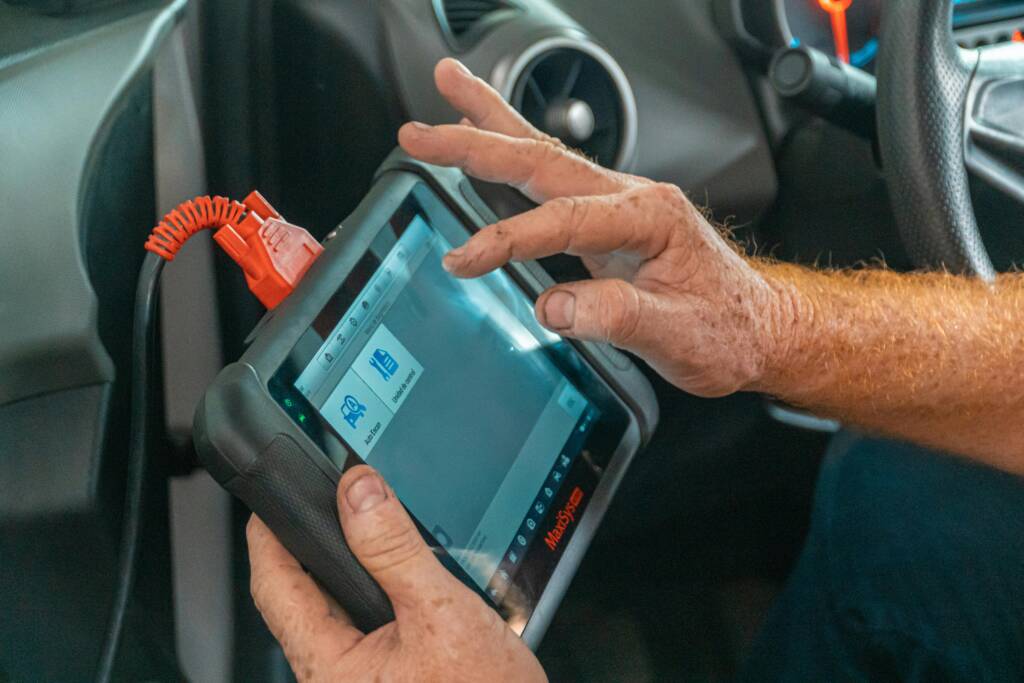

By reviewing real-time performance data, temporary faults can be distinguished from persistent system irregularities or genuine component failures.
Each diagnostic session follows a structured process rather than a quick scan. This ensures consistency, accuracy, and meaningful results.
Diagnostic findings are compared with physical inspection results to confirm accuracy. This combination of digital data and hands-on evaluation reduces unnecessary repairs.
Diagnostics driven by data, not guesswork
Diagnostic tools are used alongside experience and system knowledge to ensure informed, reliable conclusions.
Once diagnostics are completed, results are reviewed to determine the most appropriate next steps. Only confirmed issues are addressed, avoiding unnecessary intervention.
Systems are rechecked after any related work to ensure fault codes do not return and that system behavior remains stable under normal conditions.
Computer diagnostics are considered complete only when system communication, performance data, and vehicle behavior align as expected. This ensures accurate assessment and long-term reliability before the vehicle proceeds further.