
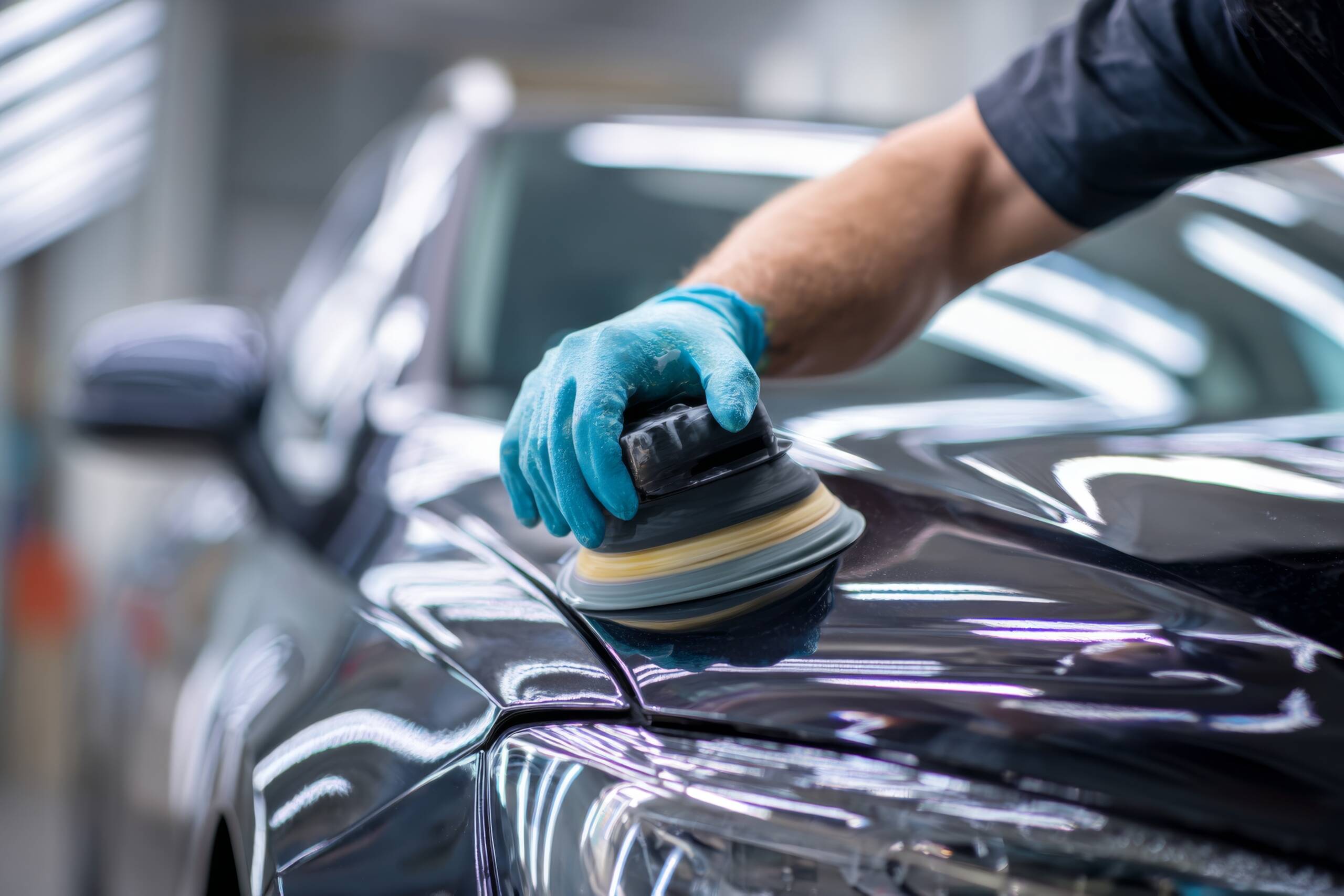
Polishing and surface refinement are essential for maintaining the visual quality and integrity of a vehicle’s paintwork, especially in the UAE where heat, dust, and environmental exposure accelerate surface wear.
Each vehicle requires a different polishing approach depending on paint type, age, and overall condition. Aggressive correction is avoided unless technically necessary. The focus remains on controlled refinement rather than excessive removal of material.
This disciplined approach preserves the longevity of the paint while delivering a visible improvement in clarity, depth, and reflection.
Before any polishing begins, the paint surface is evaluated for thickness, previous work, and condition. This ensures the process is tailored specifically to the vehicle rather than applying a generic method.
Test sections are carried out to determine the correct combination of polishing compounds, pads, and machine speed. This step allows refinement to be adjusted precisely to the surface characteristics of each panel.
Polishing is performed in stages, gradually improving surface clarity and depth. Fine imperfections are addressed carefully, allowing the paint to regain a clean, even reflection without appearing overworked or artificial.
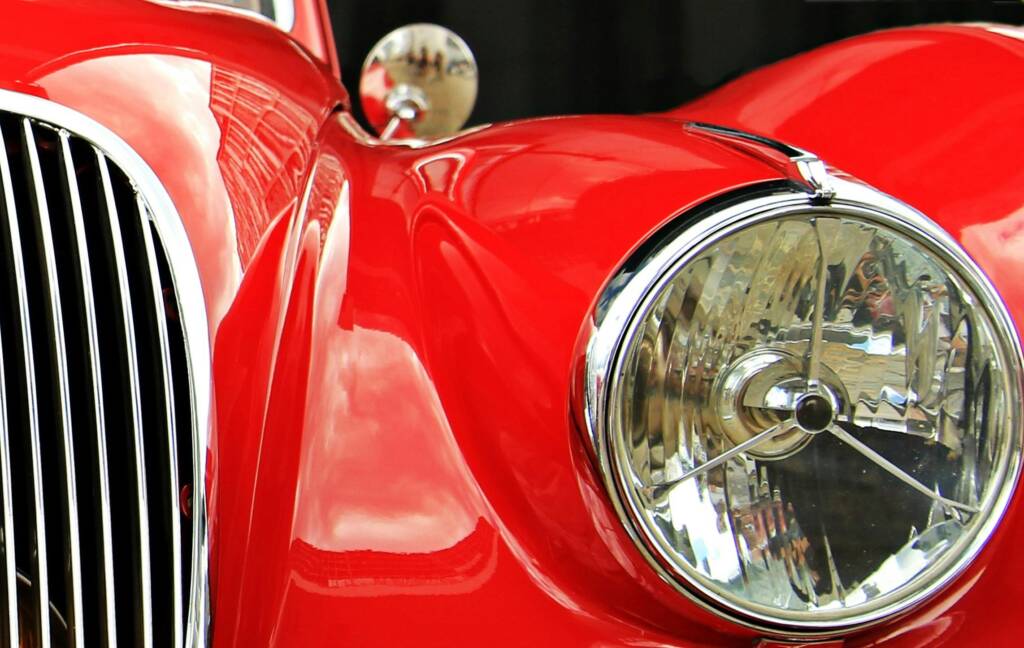
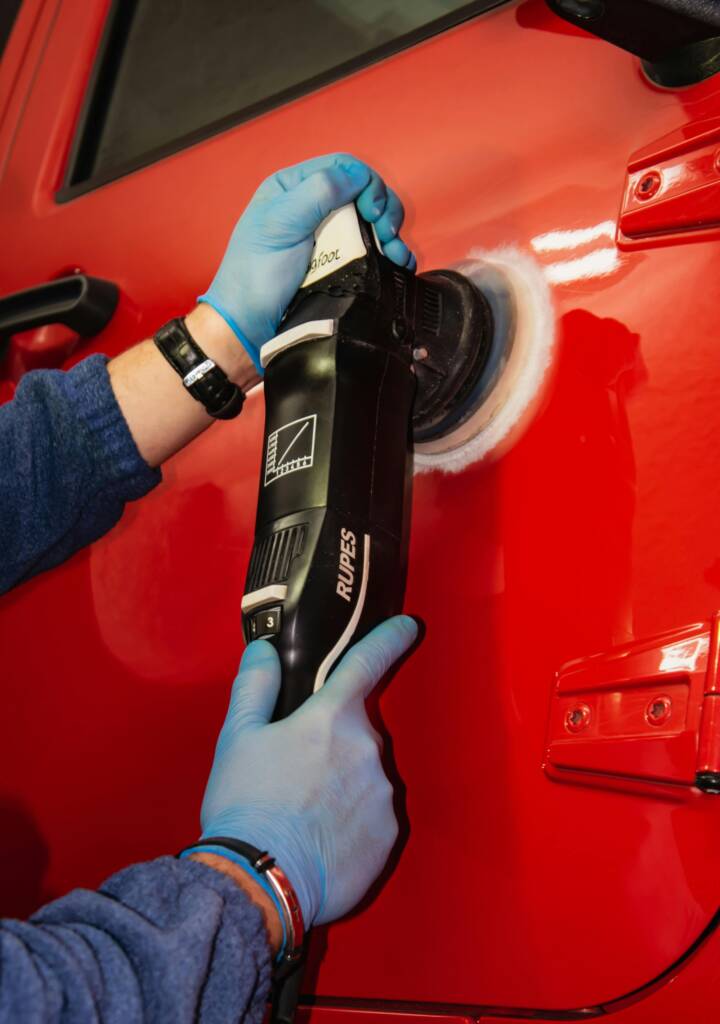
The objective is not to alter the vehicle’s appearance, but to restore balance and consistency across all painted surfaces while respecting the original finish.
Refinement focused on preservation, not removal
Paint correction is always balanced with preservation. The process is designed to enhance the surface while maintaining safe paint thickness and long-term durability.
This method is particularly important for luxury and performance vehicles, where paint systems are complex and replacement or repainting is not the preferred solution.
Once polishing is completed, the surface is inspected under different lighting conditions. This allows swirl marks, haze, and uneven reflections to be identified and addressed accurately.
After inspection, the vehicle is cleaned and prepared for final presentation. The entire surface is reviewed as a whole to ensure consistency across panels and transitions.
Attention is given to edges, contours, and reflections to confirm the finish aligns with professional standards rather than visual exaggeration.
Only when clarity, depth, and overall surface quality meet expected standards is the vehicle approved for delivery. The result is a refined appearance that looks correct, balanced, and true to the vehicle — not enhanced beyond its character.